A buyer sees a used or refurbished pick-and-place machine, gets excited about the headline price, and tells finance the project is nearly scoped. Then the feeder list arrives. Suddenly the “cheap” machine is not cheap at all, because the machine was only the steel skeleton; the feeders are the bloodstream, the memory, and the changeover discipline.
I don’t trust any SMT budget that starts with the mounter price. I want to see the feeder map first: 8 mm, 12 mm, 16 mm, 24 mm, tray feeders, stick feeders, backup feeders, smart feeder IDs, spare carts, calibration tools, and repair plans. That is where the Feeder System Cost becomes honest.
Why the Feeder System Cost Gets Underestimated
The wider automation market proves the same point. In 2024, the International Federation of Robotics reported 4,281,585 industrial robots operating worldwide and 541,302 new installations in 2023. According to IFR World Robotics 2024, annual robot installations exceeded 500,000 units for the third consecutive year.
But SMT buyers make a different mistake from robot buyers. Robot buyers usually expect integration costs. SMT buyers often still pretend feeders are accessories.
They are not.
A feeder is a production asset. In high-mix electronics, it may matter more than the placement head, because the head can only place what the feeder presents cleanly, repeatedly, and without drama. Bad feeding turns a fast mounter into a polished waiting machine.
If you are comparing machines, start with the feeder ecosystem, not the catalog speed. A 90,000 CPH machine with insufficient feeders can lose to a slower, better-prepared line. That is why a real quotation should sit beside a dedicated SMT feeder category, a feeder-cart plan, and a maintenance plan.
What Buyers Forget When Pricing Feeders
A low-mix line can survive with a lean feeder set. A high-mix line cannot. If the factory builds 40 PCB assemblies per month, each with 80 to 150 unique line items, the feeder requirement expands quickly. You buy for overlap, setup staging, engineering changes, emergency substitutions, and those “same package, different value” components that look harmless in the BOM.
| Cost bucket | What buyers count | What they forget | Budget risk |
|---|---|---|---|
| Core feeders | Feeders for one active job | Duplicate feeders for offline setup | Средний |
| Width mix | 8 mm and 12 mm tape feeders | 16 mm, 24 mm, 32 mm, odd tape widths | Высокий |
| Smart feeder functions | Basic mechanical feed | ID tracking, barcode linkage, error prevention | Высокий |
| Feeder carts | One storage cart | Multiple carts for staging and balancing | Средний |
| Calibration and repair | Initial working condition | Wear parts, sensors, pitch drift | Высокий |
| Brand ecosystem | “Compatible” feeder | Yamaha, Panasonic, Fuji, Juki, Hanwha-specific limits | Высокий |
| Changeover labor | Operator setup time | Lost production minutes between jobs | Very high |
This is why feeder budgets exceed machine costs: the feeder count scales with product variety, not with the machine invoice.
A buyer may think: “We bought one placement machine, so we need one feeder set.” No. You need a feeder system sized to the BOM portfolio. That is different.
IPC’s December 2024 industry intelligence summary reported that 53% of electronics manufacturers faced rising labor costs and 45% faced rising material costs. In that environment, every unplanned feeder purchase hurts twice — once as capital spending, and again as downtime. See the IPC December 2024 Global Sentiment summary.
How to Calculate Feeder Investment Costs
The hard truth? Most feeder underbudgeting is self-inflicted.
Procurement asks for the automatic feeder machine cost. Engineering answers with the machine price. Production later discovers the actual parts feeder cost. Then finance accuses the supplier of moving the target. Sometimes the supplier did. More often, the original RFQ was weak.
I have a rule: never ask, “How much is the machine?” first. Ask, “How many feeder positions must be live, staged, duplicated, and protected against failure?”
That question changes the conversation.
Start with the BOM universe, not the machine brochure. Count unique components across the jobs you expect to run over 6 to 12 months. Sort them by tape width, feeder type, changeover frequency, and risk. Then add duplicate feeders for repeat components, plus backup units for high-failure or high-volume feeder classes. Add feeder carts, calibration, repair kits, operator training, and spare parts.
Feeder System Cost = Active Feeders + Duplicate Setup Feeders + Backup Feeders + Feeder Carts + Calibration + Repair Parts + Training + Downtime Buffer
Do not overcomplicate it. The trick is forcing every department to stop pretending its missing line item belongs to someone else.
Prototype, Mass Production, and Turnkey Line Differences
For a prototype line, fewer duplicate feeders may be acceptable because flexibility matters more than throughput. In that case, buyers should study Планирование прототипов и мелкосерийных линий SMT and accept slower changeovers as part of the economics.
For mass production, feeders become uptime insurance. You pre-stage. You duplicate. You protect against changeover chaos. If you refuse to buy enough feeders, the line will collect the money later through missed shipments, overtime, and quality escapes.
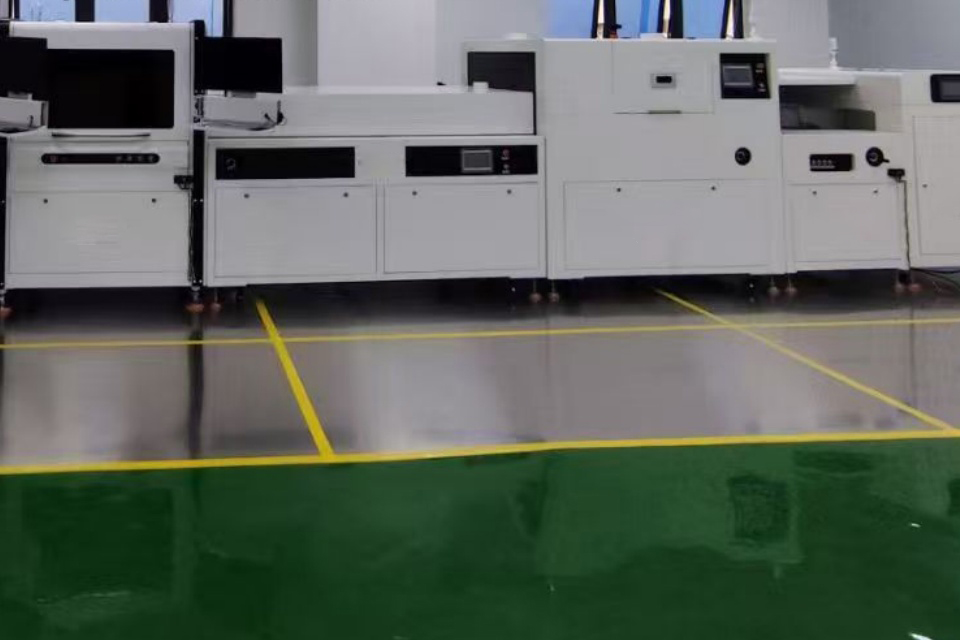
Именно здесь Решения для линий SMT под ключ can be cheaper than buying pieces. Not always. But often enough that I would force the comparison. A turnkey quote exposes the hidden interfaces: printer, mounter, feeders, reflow oven, AOI, conveyors, tooling, training, and support.
NIST’s MEP guidance says Industry 4.0 adoption is not “all or nothing” and highlights robotics, IoT, data analytics, AI, and autonomous systems as practical adoption paths. That is exactly how feeder budgeting should work: phased, measured, and tied to downtime reduction. See NIST’s Advanced Manufacturing Technology and Industry 4.0 Services.
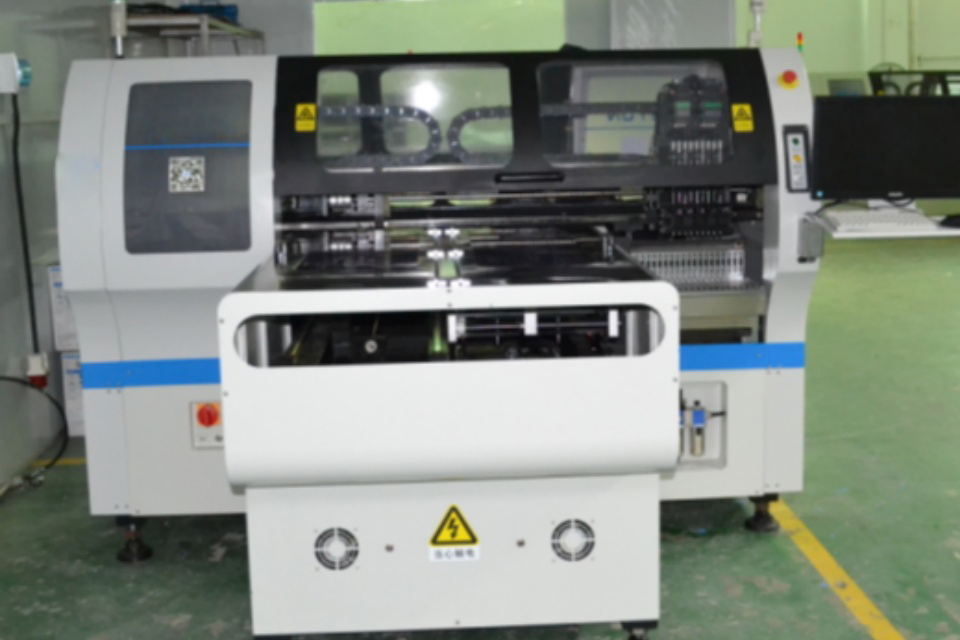
Brand Compatibility and Bowl Feeder Cost Traps
Yamaha feeders are not Panasonic feeders. Fuji NXT feeder strategy is not Juki feeder strategy. Hanwha feeder storage, smart identification, repair parts, firmware compatibility, and calibration workflows all have quirks. Buyers price “8 mm feeder” as if it were a commodity, then discover the expensive part is not the width — it is the ecosystem.
If your line is Yamaha-heavy, look at Yamaha SMT feeder planning before calculating the feeder list. If your floor runs Panasonic platforms, compare that with Panasonic SMT feeder options. Mixing brands can work, but feeder economics are not brand-neutral.
And yes, bowl feeder cost belongs here too.
In broader industrial feeder systems — screws, terminals, pins, clips, odd mechanical parts — bowl feeders create another cost trap. The bowl itself may not be the problem. The tooling is. Sorting geometry, coating, vibration tuning, escapement, part orientation, reject handling, and downstream integration can turn a simple “feeder” into a custom automation project.
Deloitte’s 2024 manufacturing outlook reported that 86% of surveyed manufacturing executives believed smart factory solutions would be primary drivers of competitiveness in the next five years. That matters because feeder systems are now data points inside smart production, especially when tied to traceability and setup verification. See Deloitte’s 2024 Manufacturing Industry Outlook.
Reuters reported in November 2024 that China overtook Germany in industrial robot density, reaching 470 robots per 10,000 workers versus Germany’s 429, while South Korea led at 1,012. When automation density rises, feeder discipline rises with it. See the Reuters report on robot density.
Feeder Budget Planning by Production Type
The professional buyer should build three feeder budgets.
First, the minimum viable feeder budget. This gets the line running but does not protect speed.
Second, the production feeder budget. This includes enough duplicate feeders to stage the next job while the current job runs.
Third, the resilient feeder budget. This includes backup feeders, repair kits, feeder carts, weak-point spares, operator training, and documented calibration routines. It is not glamorous. It is usually the best number.
| Production type | Стратегия фидера | What to prioritize | Common mistake |
|---|---|---|---|
| Prototype SMT line | Lean feeder count | Flexibility, engineering changes, low upfront cost | Buying too many feeders too early |
| Small-batch production | Moderate duplicates | Offline setup, 8 mm duplication, operator training | Ignoring changeover time |
| High-mix EMS | Large feeder pool | BOM overlap, carts, setup verification | Counting only one job |
| Mass production | Redundant feeder system | Uptime, spares, feeder repair | Saving on backup feeders |
| Mixed SMT line | Brand-aware planning | Compatibility, carts, calibration, support | Mixing platforms without a feeder map |
A 2024 robotics case study in Brescia, Italy, examined more than 600 companies and found robotics diffusion associated with productivity and quality improvements, while larger firms adapted better because they had stronger financial resources and internal competencies. See Towards Industrial Robots’ Maturity.
Feeder systems are the same. Stronger companies do not win because they buy more metal. They win because they budget setup discipline, maintenance, training, documentation, spare parts, and engineering time.
And that brings us to the ugliest hidden cost: people.
An underfed SMT line burns operators. The operator hunts for feeders. The technician fixes misfeeds. The planner reschedules jobs. Quality investigates wrong-part risk. The supervisor blames the machine. The machine, quietly, is innocent.
Buyers should connect feeder budgeting to support from day one. Training, diagnostics, replacement parts, and after-sales response shape the real cost curve. That is why I would pair any feeder-heavy purchase with обучение и послепродажное обслуживание and a practical spare parts and accessories plan.
The cheap feeder is expensive if it teaches your line to stop. The expensive feeder is cheap if it protects production hours.
Вопросы и ответы
What is Feeder System Cost?
Feeder System Cost is the total capital and operating budget required to buy, duplicate, store, identify, calibrate, maintain, and integrate all feeders needed for a placement line, including the extra feeders that protect uptime during changeovers, repairs, and high-mix production. It is bigger than feeder hardware price.
Most teams underestimate it because they count only the feeders needed for one active job. A real factory needs feeders for the next job, backup feeders for failures, carts for staging, and repair support.
Why do feeder budgets exceed machine costs?
Feeder budgets exceed machine costs when the factory runs many products, tape widths, and changeovers that require duplicate feeder sets, smart feeder identification, feeder carts, calibration tools, spare parts, and operator training beyond the original mounter purchase. The machine is bought once; feeder demand grows with every BOM.
This is common in high-mix SMT production. The feeder budget follows product complexity, not machine size.
How do I calculate feeder investment costs?
Feeder investment costs are calculated by counting every feeder needed for active production, then adding duplicate feeders for offline setup, backup feeders for downtime protection, feeder carts, calibration expense, repair parts, training, and compatibility costs tied to Yamaha, Panasonic, Fuji, Juki, or Hanwha platforms.
A practical method is to map all products expected over the next 6 to 12 months. Group components by package, tape width, changeover frequency, and placement risk.
Are smart feeders worth the extra cost?
Smart feeders are worth the extra cost when wrong-part risk, traceability, high-mix scheduling, or frequent changeovers create more financial damage than the premium paid for feeder identification and setup verification. They are less compelling on simple, stable, low-mix lines.
I would not buy smart feeders just for the label. I would buy them when the line needs barcode linkage, setup validation, faster recovery, and fewer human errors.
What is the difference between parts feeder cost and bowl feeder cost?
Parts feeder cost usually refers to the total feeding method for presenting components to automation, while bowl feeder cost often includes custom tooling, vibration tuning, orientation control, escapement design, coatings, noise control, and integration around irregular mechanical parts. Bowl feeders become expensive when geometry is unstable.
In SMT, tape feeders dominate the discussion. In mechanical assembly, bowl feeders can become the budget villain because the engineering work sits inside the feeder.
Build the Feeder Budget Before You Buy the Machine
The machine is the visible purchase. The feeder system is the operating truth.
Before signing off on a “low-cost” SMT mounter, force the feeder budget into the room. Count the BOMs. Count the duplicate setups. Count the carts. Count the repair path. Count the operator time. Then compare the real number against the machine price.
For a feeder plan tied to an actual production mix, start with the SMT feeder catalog or send your BOM and line target through the контактная страница before the machine bargain becomes an expensive lesson.