The line was still running. That was the problem.
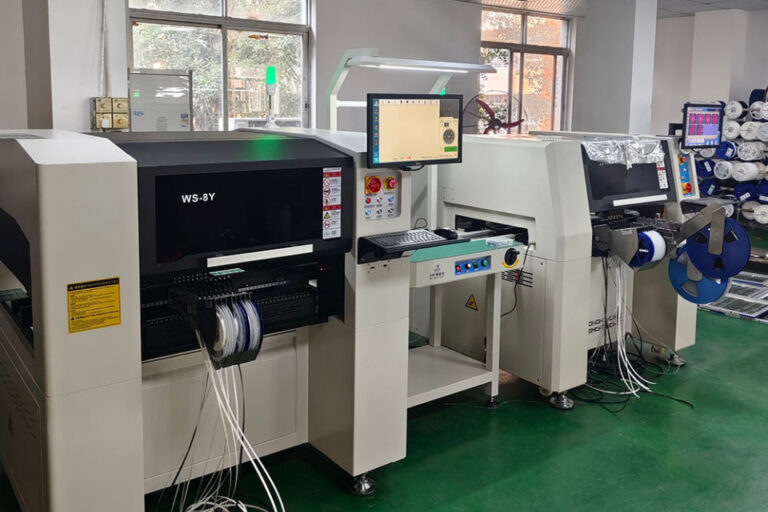
I’ve watched a pick-and-place machine keep moving while the warning signs piled up: one feeder clicking badly, a nozzle family leaving ugly pickup traces, the AOI operator overriding the same false call, and a maintenance sheet with one useless word on it — “checked.” Checked by whom? Checked how? Checked against what baseline?
Fine. Dangerous word.
Why Annual Machine Inspection Gets Treated Too Softly
Here’s the ugly truth: a lot of annual machine inspection work is factory theater with a torque wrench nearby.
Covers come off. Rails get wiped. Someone adds grease. A few alarms are cleared, a test board runs, and the report says the machine is healthy because nobody wants to say the placement platform is slowly drifting out of discipline.
I frankly believe SMT maintenance teams underreport weak signals because weak signals are annoying. They don’t stop the line right now. They just whisper. Slight X-axis chatter. Dirtier fiducial recognition. One feeder slot with too many pickup retries. A reflow profile that’s “close enough” unless you overlay it with last year’s curve.
OSHA listed Machine Guarding under 29 CFR 1910.212 among the ten most frequently cited U.S. workplace safety standards for FY 2025, and OSHA says the list is published so employers can “find and fix” hazards before inspectors show up. OSHA’s Top 10 cited standards put machine guarding at number ten for FY 2025. The National Safety Council reported that machine guarding had 1,541 violations in FY 2024, while lockout/tagout had 2,443 violations — two categories that sit far too close to weak maintenance culture. NSC’s FY 2024 OSHA Top 10 release spells that out in plain numbers.
And safety matters. Obviously.
Still, in SMT, the quieter disaster is quality drift. The Institute for Supply Management summarized Siemens’ 2024 downtime report, noting that unscheduled downtime was estimated to drain 11% of annual revenue from the world’s 500 largest companies, or about $1.4 trillion. ISM’s unscheduled downtime analysis also cites ABB research where two-thirds of surveyed plant maintenance leaders reported unplanned downtime at least once a month, at $125,000 per hour.
Sounds inflated? Stand beside a dead SMT line at 2:00 a.m. with a delivery due in the morning. Suddenly it sounds cheap.
What a Real Machine Health Check Actually Looks Like
A proper machine health check doesn’t start with a grease gun. It starts with suspicion.
Pull twelve months of alarm logs, feeder errors, head-level pickup rates, nozzle replacement records, AOI false calls, SPI solder-volume movement, reflow profile history, spare-part consumption, and operator notes. Then compare the paperwork with the machine.
Always.
Mechanical truth comes first. Is the axis motion clean? Is there backlash? Is the rail wear measurable? Is the head noise normal, or has everyone just gotten used to it?
Process truth comes next. Can the machine still place parts accurately under real load, with real boards, real tape tension, real nozzle wear, and that mixed run nobody likes building?
Commercial truth is the one people dodge. If one servo, feeder cart, nozzle type, camera, conveyor board, or grease-related bearing issue fails tomorrow, how long is the line down?
For prototype and low-volume production, weak points usually include changeover discipline, feeder setup, recipe control, missing nozzle types, and undocumented operator workarounds. That’s why the inspection plan should match prototype and small-batch SMT line support, not a copy-paste checklist from a mass-production shop.
High-speed lines are meaner. They punish tiny errors faster.
On volume SMT production, I’d want throughput validation, feeder-bank error mapping, placement repeatability checks, vacuum stability, camera lighting inspection, conveyor timing, Cpk review, reflow verification, and downtime-risk review. That’s where high-speed mass production line maintenance becomes less of a service phrase and more of a survival habit.
The Usual Hiding Places: Feeders, Nozzles, Grease, Reflow
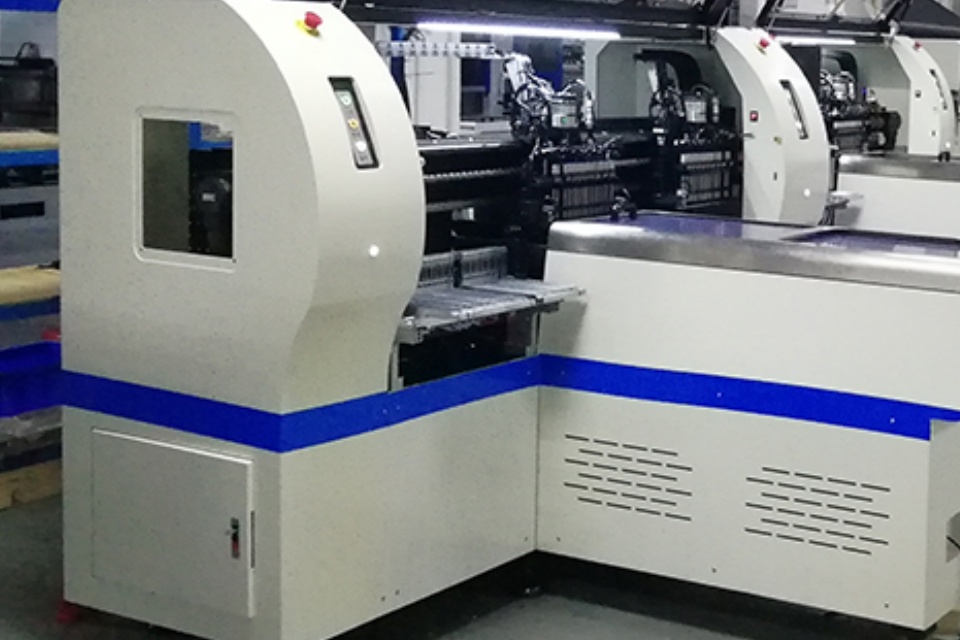
A feeder problem becomes a placement problem. A placement problem becomes an AOI problem. An AOI problem becomes an operator-fatigue problem. Then someone blames the operator, which is convenient and usually incomplete.
Feeders need to be treated like precision equipment, not accessories tossed around on carts. Check pitch accuracy, sprocket wear, cover tape peel, tape drag, indexing stability, sensor contamination, loose hardware, and repair history.
Nozzles are sneakier.
They can look clean and still fail vacuum response. They can pass a visual check and still drop 0201s once the line speed rises. Inspect tip wear, clogging, shaft straightness, spring response, pickup marks, and vacuum decay.
And grease — people hate talking about grease.
Check lubrication intervals, grease type, application quantity, contamination, over-greasing, under-greasing, ball screw behavior, rail condition, and bearing noise. SMT machines don’t always die dramatically. Sometimes they die because someone used “close enough” grease for too long. For plants standardizing consumables, SMT grease sourcing and compatibility belongs in the annual machine health check.
Reflow is another trap. The oven screen is not the board.
Check conveyor speed, zone stability, soak time, peak temperature, cooling rate, nitrogen condition if used, and the real board profile. A serious line review should include reflow thermal profiler validation.
AOI and SPI aren’t innocent either. Lighting ages. Cameras drift. Thresholds get patched during customer panic. False calls train operators to ignore alarms; escapes train customers to stop trusting you. For plants expanding defect detection, the SMT inspection system category should be inside the inspection conversation, not added later.
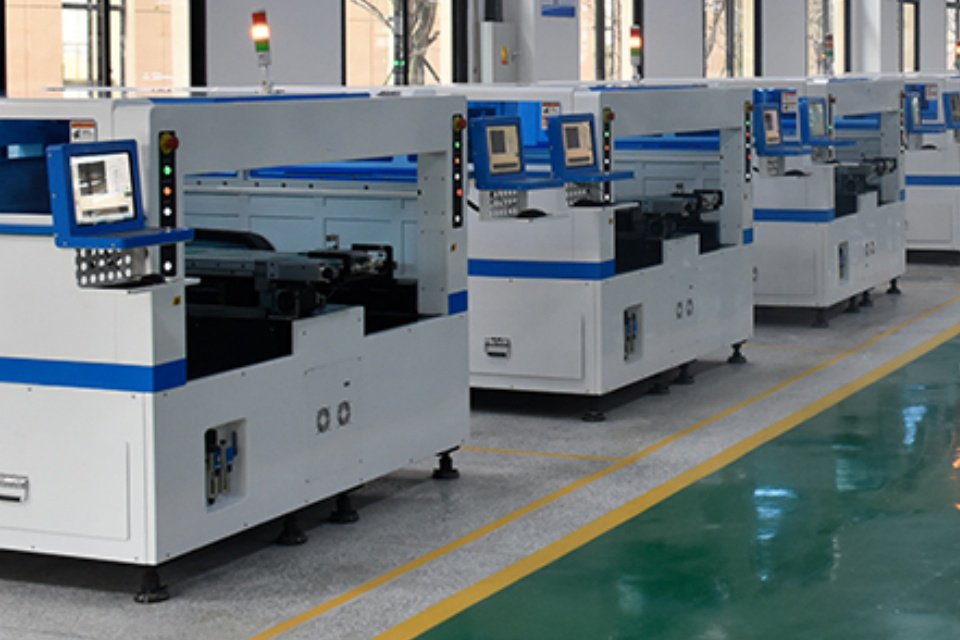
Machine Inspection Checklist: Lazy vs Serious
I don’t like pretty inspection reports. Pretty reports usually hide the bruise.
| Зона осмотра | What Lazy Inspections Check | What Serious Inspections Check | Failure Signal |
|---|---|---|---|
| Pick-and-place motion | Axis movement, visible alarms | Vibration, backlash, rail wear, encoder behavior, placement repeatability | Rising misplacements, unstable Cpk, head noise |
| Питатели | Basic feeding test | Pitch accuracy, tape drag, sensor contamination, mechanical wear | Component skips, tombstoning, feeder alarms |
| Nozzles | Visual cleanliness | Vacuum decay, tip wear, shaft straightness, spring response | Dropped parts, rotation errors, poor pickup |
| Grease and lubrication | “Lubricated” status | Grease type, interval history, contamination, over/under-greasing | Heat, noise, friction, premature bearing wear |
| Reflow oven | Zone temperatures | Full board thermal profile, conveyor speed, cooling rate, nitrogen condition | Voids, opens, cold joints, solder balls |
| AOI/SPI | Machine powers on | Calibration, lighting, thresholds, false-call and escape trends | Operator fatigue, missed defects, rework spikes |
| Системы безопасности | Guards present | Interlocks, lockout/tagout readiness, emergency stops, labels | OSHA exposure, injury risk, downtime after incident |
| Запчасти | Parts exist somewhere | Lead times, criticality ranking, minimum stock, obsolete items | Long stoppage after minor failure |
A useful report names the weak point, gives the evidence, ranks the risk, and tells somebody what to do next. “Machine normal” is not useful. Give me numbers. Give me slot locations. Give me drift curves.
A serious report might say: “Feeder bank 3 accounts for 41% of pickup errors.” Good. Now we’re talking.
For full-line buyers, service depth matters more than brochure speed. Big CPH numbers look great in a meeting, but when a machine is down and the buyer can’t get the right part, the brochure doesn’t answer the phone. You need spare-parts access, warranty handling, operator training, troubleshooting support, and technicians who can tell bad paste release from bad feeder indexing without guessing. That’s why annual inspection planning should connect to обучение и послепродажное обслуживание before anyone starts talking about another machine purchase.
How Often Should Machines Be Inspected?
“Annually” is the wrong answer if it’s the only answer.
Daily checks should catch dirty rails, damaged feeders, blocked nozzles, low air pressure, strange head noise, loose covers, unsafe guards, blocked E-stops, and operator workarounds. Weekly checks should look harder at wear, contamination, feeder condition, nozzle status, conveyor behavior, and cleaning discipline.
Monthly checks should hunt drift: placement accuracy, feeder error patterns, reflow profile movement, AOI/SPI threshold creep, repeat alarms, and vacuum trends.
Annual inspection is the deep audit — the part where nobody gets to hide behind “it ran yesterday.”
Condition monitoring services help. Vibration, thermal data, vacuum trends, current draw, alarm frequency, and placement-offset drift can point the technician toward the right suspect. But dashboards don’t know shift politics. They don’t know the “temporary” repair is now seven months old and held together by optimism.
The Bureau of Labor Statistics reported 355,800 manufacturing injury and illness cases in 2023, down 10% year over year, according to Manufacturing Dive’s summary of BLS data. Manufacturing Dive’s BLS coverage also notes OSHA investigated 826 worker deaths in FY 2024, an 11% decline from FY 2023.
Good news. Not a pass.
From my experience, old machines aren’t the villain. The dangerous plants are the ones with undocumented repairs, mystery grease, mixed feeder conditions, no baseline data, thin spare-parts shelves, and a culture where operators are praised for “keeping it running” instead of reporting weak signals early.
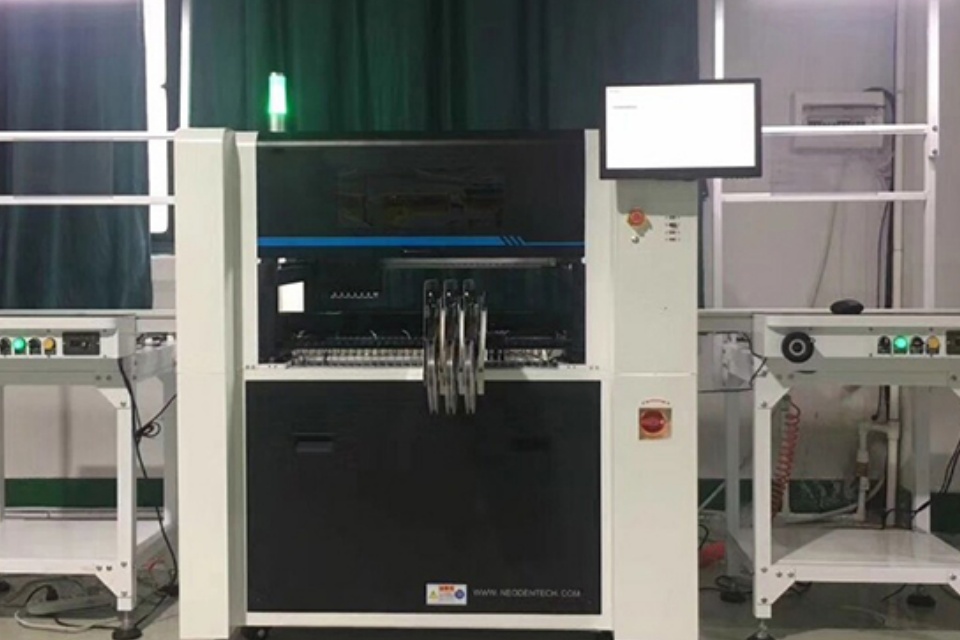
What the Final Report Should Force You to Decide
The inspection isn’t finished when the PDF is exported.
It’s finished when someone chooses what happens next: fix now, schedule soon, monitor monthly, rebuild feeder, recalibrate camera, replace grease, stock spare, retrain operator, rewrite recipe, retire worn hardware, or stop pretending the fault is random.
The action list should have owners. Names, not departments.
And don’t hide cost. If a part lead time is six weeks and the line can only tolerate six hours of downtime, say it. If a nozzle family is creating repeat defects, price the replacement. This isn’t drama. It’s reliability accounting.
Вопросы и ответы
What is a machine inspection?
A machine inspection is a structured technical assessment of equipment condition, safety, calibration, wear, lubrication, performance, and failure risk, used to confirm whether a machine can keep producing safely and accurately before breakdowns, defects, or compliance problems appear. In SMT production, it covers placement machines, feeders, nozzles, conveyors, reflow ovens, AOI/SPI systems, and critical spares.
In shop-floor language, it asks whether the machine still performs inside tolerance when real production pressure hits it.
How often should machines be inspected?
Machines should be inspected daily for obvious operational issues, weekly for cleaning and wear points, monthly for performance drift, and annually for a comprehensive machine health check covering mechanics, safety, calibration, process output, lubrication, spare parts, and maintenance records. High-speed SMT lines may need extra checks when alarms, defects, or changeovers increase.
Annual inspection is the big review. It’s not a substitute for daily discipline.
What should an annual machine inspection include?
An annual machine inspection should include mechanical wear checks, calibration verification, safety-system testing, lubrication review, feeder and nozzle assessment, alarm-history analysis, process validation, reflow profile testing, AOI/SPI calibration review, spare-parts risk analysis, and a ranked corrective-action plan. The report should identify root causes, not just symptoms.
For SMT, machine data should be compared with yield data. If solder defects, placement loss, and AOI escapes rise together, don’t split them into three separate mysteries.
Is preventive maintenance inspection different from condition monitoring?
Preventive maintenance inspection is scheduled hands-on checking and servicing, while condition monitoring uses data such as vibration, temperature, vacuum, electrical current, and alarms to detect developing faults during operation. The strongest maintenance programs use both because scheduled checks catch known wear points and monitoring catches abnormal behavior between service windows.
Condition monitoring without a baseline is mostly expensive noise.
Why does machine inspection matter for pick-and-place equipment?
Machine inspection matters for pick-and-place equipment because small mechanical errors can create large quality losses through misplacement, poor pickup, feeder instability, nozzle wear, camera drift, and vacuum failure. Since SMT defects often appear downstream, inspection helps trace defects back to root causes before rework, scrap, and missed deliveries accumulate.
A placement machine is a stack of assumptions: stable vacuum, accurate vision, clean tape feed, correct nozzles, sound mechanics, and operators who aren’t forced to improvise around bad maintenance.
What is the biggest mistake companies make during annual machine health checks?
The biggest mistake is treating annual machine health checks as paperwork instead of evidence gathering, so technicians confirm basic operation but fail to analyze trends, repeat alarms, process drift, spare-parts exposure, safety risk, and operator feedback. This creates a neat-looking report that does very little to prevent future downtime.
If the report doesn’t create at least one uncomfortable decision, it probably avoided the real problem.
Заключение
Annual inspections should end in decisions, not binders.
The goal isn’t to prove the machine is fine. The goal is to catch the weak signal before it becomes a stoppage, a defect spike, a warranty fight, or that horrible customer call where everyone suddenly becomes very interested in maintenance records.
If your SMT line needs a proper machine health check, spare-parts review, maintenance plan, or full-line reliability audit, start with the service side, not the brochure: review the обещание услуг or contact the team through Pick and Place Machine support.