Rework And Repair: Recovery Strategies For Defective Boards
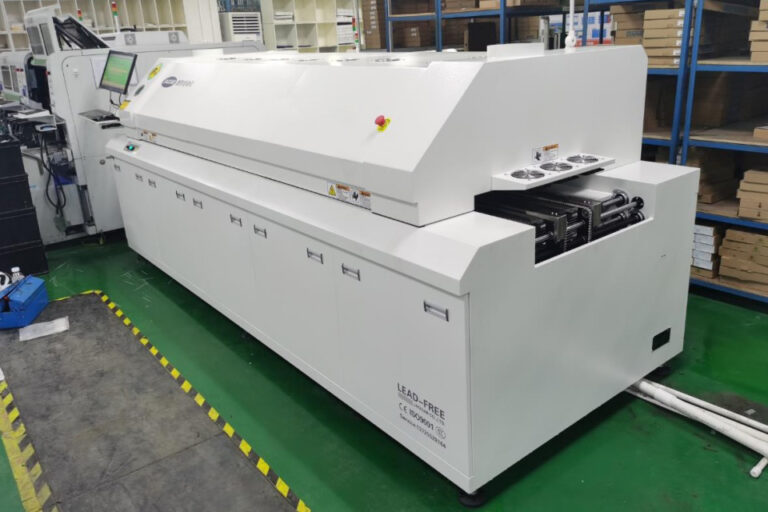
Defective boards do not all deserve rescue. This piece breaks down when PCB repair pays, when PCB rework becomes self-deception, and which recovery strategies survive real-world scrutiny.


Defective boards do not all deserve rescue. This piece breaks down when PCB repair pays, when PCB rework becomes self-deception, and which recovery strategies survive real-world scrutiny.
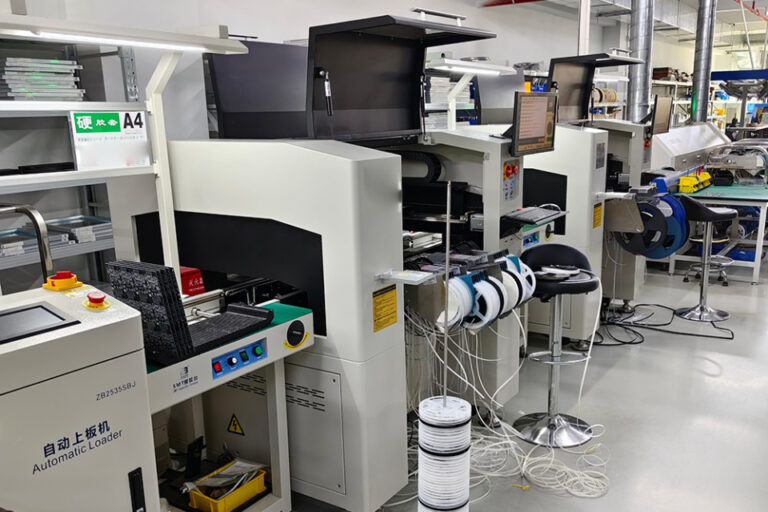
Most SMT lines do not lose parts because of bad luck. They lose them because nozzle selection, vacuum stability, pickup centering, and release timing drift out of control long before anyone admits it.
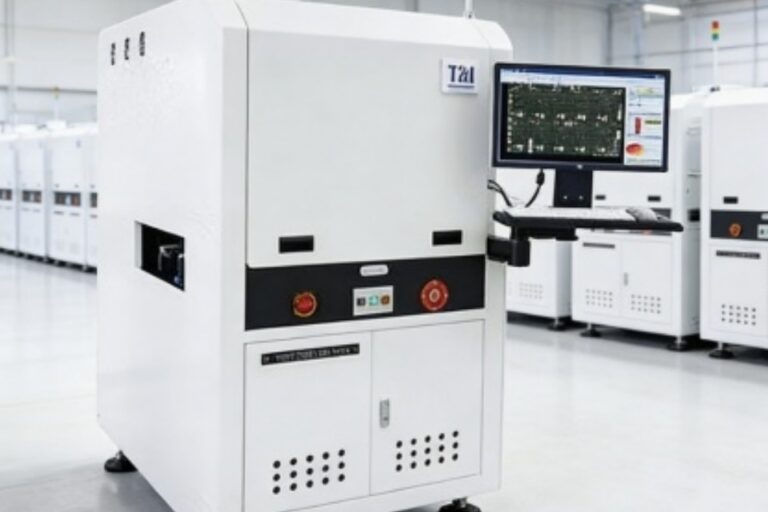
Outsourcing pick and place assembly looks cheap until you price delay, quality drift, and supplier margin honestly. This piece shows where SMT assembly outsourcing wins, where in-house PCB assembly pays back, and where buyers fool themselves.
Pick and place traceability is only as strong as the records behind it. This article explains which documents matter, where factories fail, and how to build an audit-ready SMT documentation system.
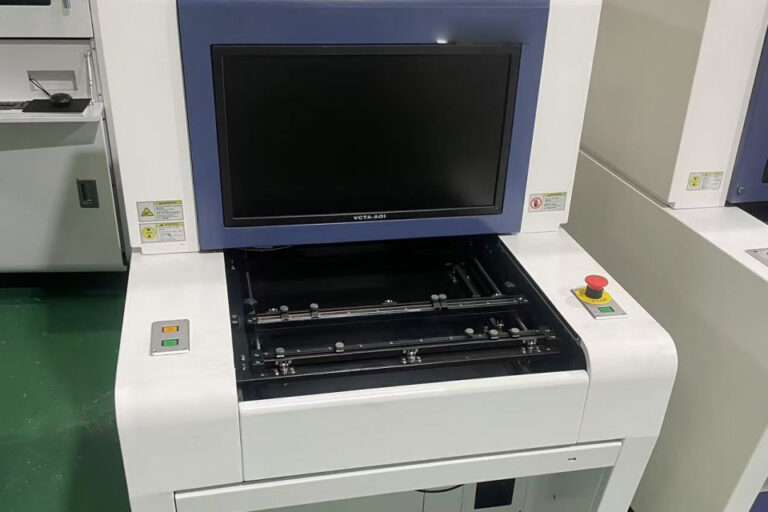
BGA and odd-shape placement failures rarely start at reflow; they usually start at pickup. This post explains how specialized nozzles, machine settings, and inspection discipline separate stable lines from expensive guesswork.

Financing a pick and place line is not just about monthly payments; it decides how fast you can scale, upgrade, or exit. This guide breaks down loans, leases, and buyback structures with blunt advice, current data, and real-world risk signals.

Energy efficiency is not a feel-good retrofit story. It is factory math, and the plants that treat it that way usually lower utility spend, rework, and maintenance pain faster than their competitors.
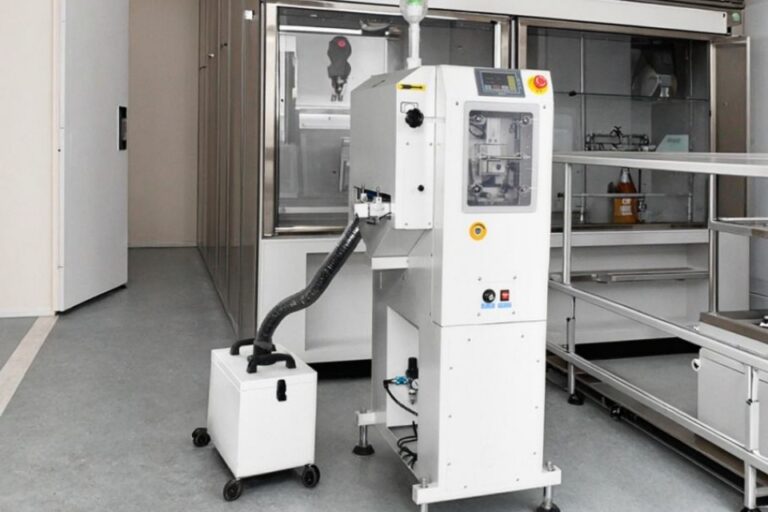
Most SMT buyers still confuse nameplate speed with usable output. This piece shows how to calculate actual placement speed, where the losses really come from, and why board mix beats brochure math every time.
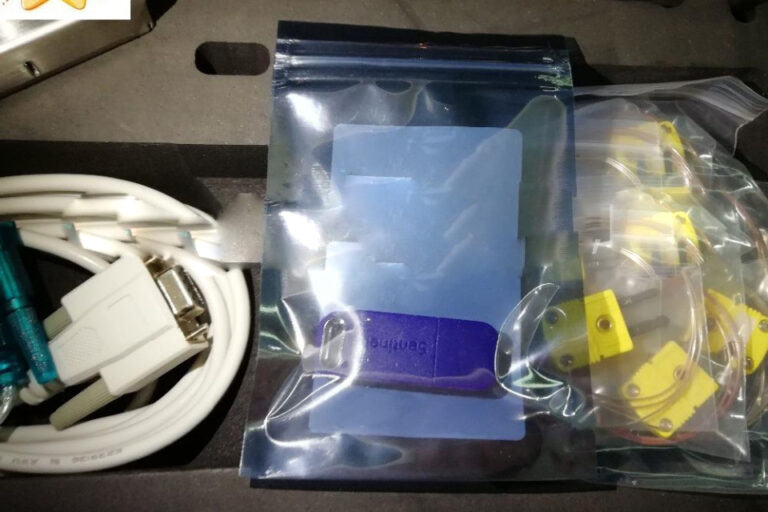
Most manufacturers do not lose money because nozzles are expensive. They lose money because they replace them too late, clean them too aggressively, and fail to connect wear data to quality loss.
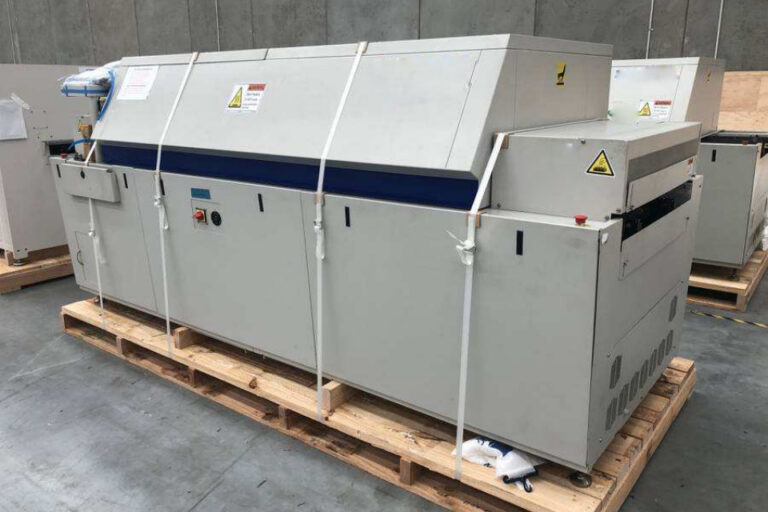
The machine price is only the opening number, not the final number. This article breaks down the hidden costs of pick and place machines so buyers can estimate real ownership cost before they commit.
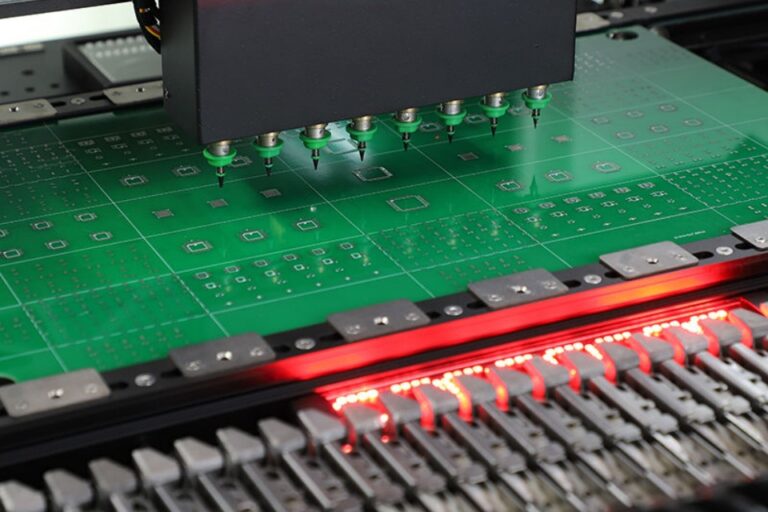
Edge computing is not a buzzword in SMT; it is a control decision about where time-sensitive intelligence lives. In pick and place, local processing often determines whether a deviation becomes a correction or a defect.
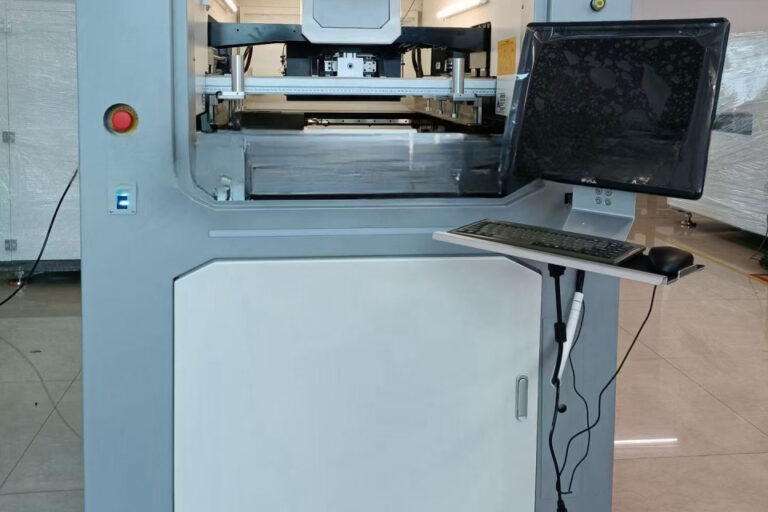
Design for testability is not just about ICT pads. In real SMT work, it decides whether your line can see, verify, and trace every placement before a small defect becomes an expensive failure.